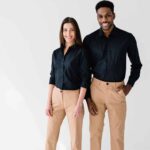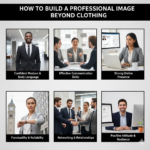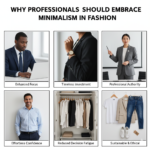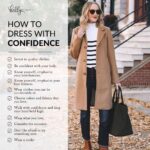




Why Body Type Styling Is More Important Than Trends in Fashion Copying fashion trends without taking into account their own body type is one of the most common fashion faux pas committed by professionals. What looks great on a mannequin, model, or colleague may not work the same way for you—and that’s completely normal. The goal of professional dressing is not to have a “perfect” body; rather, it is about knowing your proportions and dressing in a way that makes them look better. Body-type styling is a powerful shortcut for professionals who are pressed for time. You discover what consistently works instead of experimenting incessantly. This saves time, money, and mental energy while boosting confidence.
We at QuickFitForProfessionals believe that confidence comes naturally when clothes fit your body and lifestyle.
Table Of Content
- The Most Common Illusion About Body Types
- Styling for Men with Lean or Slim Bodies
- Styling for Athletic Body Types (Men)
- Styling for Professionals Who Are Tall (Men)
- Styling for Women with Pear-Shaped Bodies
- Styling for Apple-Shaped Body Types (Women)
- Styling for Women with Hourglass Figures
- Styling for Women with Rectangle Bodies
The Most Common Illusion About Body Types
The Most Common Myth About Types of Body The fashion myth that body-type styling is about “hiding flaws” is the most damaging. In point of fact, body type styling concerns: achieving equilibrium natural proportion enhancement presenting one’s best self Having confidence and comfort When properly dressed, any body type can appear professional, polished, and stylish. Step One: Understanding Professional Fit vs Casual Fit
Understanding professional fit is essential before determining body types. Dress for business should: Relax and sit on the shoulders. Skim the body (do not hang or cling) Allow movement
Keep things organized.
Common Body Types Among Professionals
While bodies are unique, most professionals loosely fall into one of these categories:
Men’s Guide: Slim / lean Athletic
Broad and bulky Tall
For Women:
Pear-shaped
Apple-shaped
Hourglass
Rectangle
Instead of focusing on fashion stereotypes, this guide focuses on professional attire.
Styling for Men with Lean or Slim Bodies
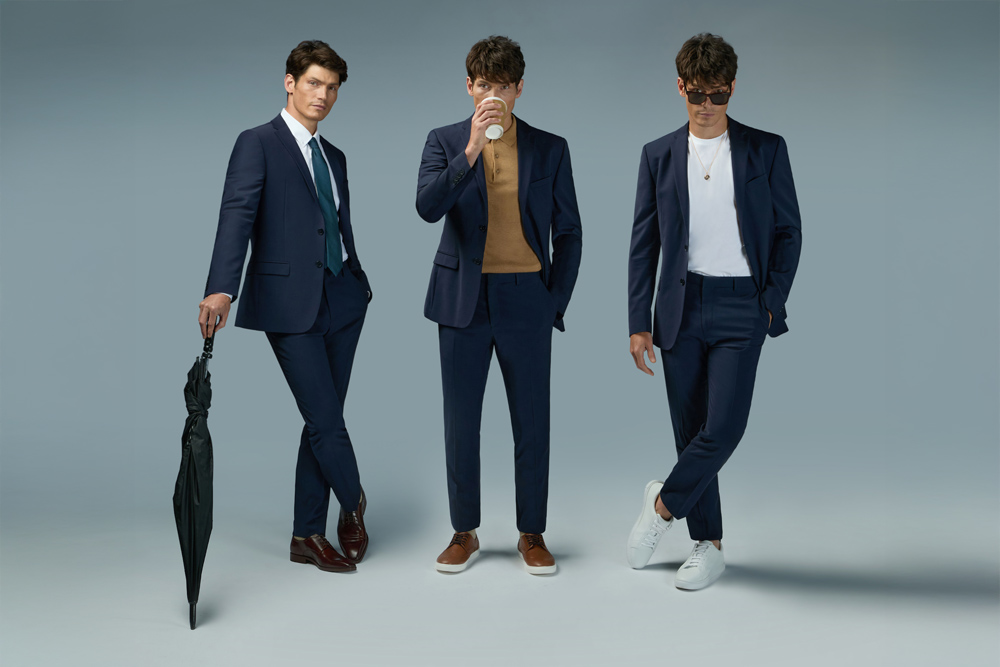
Professionals who are lean often have trouble wearing clothes that look too loose or flat. Style Objectives: Add structure
Give the image weight. Avoid silhouettes that are too big. What’s the Best: shirts made to order (not skinny) Blazers with structure Layering (shirts + blazers)
Textiles with texture Things to Avoid: Fits extremely tight. Clothing that is too big Fabrics that are thin and stick to one another Dressing in a structured way adds presence without adding bulk.
Styling for Athletic Body Types (Men)
Athletic professionals often face tightness around shoulders and chest.
Style Objectives: Keep your composure. Balance proportions
Without restriction, emphasize structure. What’s the Best: shirts that are tailored but not too loosely Fabrics that stretch Simple silhouettes Blazers with a single breast Things to Avoid: Fits that are too tight Too much layering Bulky fabrics
To remain confident throughout long workdays, comfort is essential.
Styling for Men with Broad or Stocky Bodies Smart styling choices benefit broad professionals greatly. Style Objectives: Establish vertical lines. Reduce the silhouette’s size. Avoid visual bulk
What’s the Best: Palettes of darker hues Vertical stripes or seams
Jackets with structure Properly fitted trousers
Things to Avoid: vertical stripes tight clothes a lot of layering Authority and polish are created by smart structure.
Styling for Professionals Who Are Tall (Men)
Professionals who are tall must maintain proportion. Style Objectives: Maintain equilibrium. Try not to appear stretched out or too big. What’s the Best: Tailored designs Outfits with layers Pants with a mid-rise Shoes with structure Things to Avoid: Overly long silhouettes
Uncomfortable attire ill-fitting coats For tall people, good tailoring is essential.
Styling for Women with Pear-Shaped Bodies
Professionals with a pear shape have more volume in the hips and thighs. Style Objectives: Balance upper and lower body
Focus on the upward Maintain a straight line. What’s the Best: Tops with structure Statement blazers
bottoms of a dark color Skirts with an a-line cut Things to Avoid: Bottoms that fit snugly Pants with a low rise Heavy hip detailing
Styling for Apple-Shaped Body Types (Women)
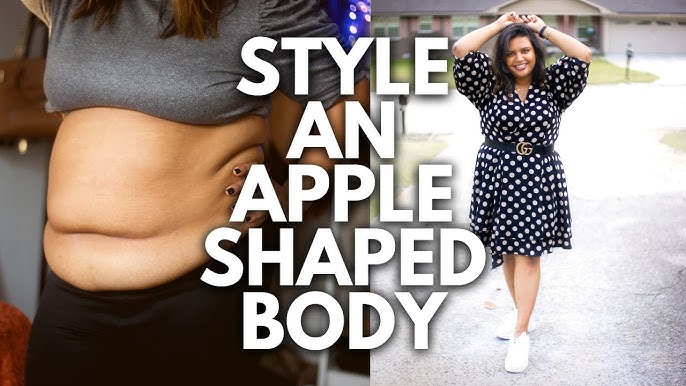
Professionals with an apple shape carry weight in the middle. Style Objectives: Create a flow vertically. Focus on the legs and neckline. Beware of clingy materials. What’s the Best: Jackets with structure Open-neck or V-neck tops Pants that are straight or tapered Dresses with structure and comfort Things to Avoid: Tight waistlines
Weighty belts Fabrics that cling or shine Comfort and structure go hand in hand.
Styling for Women with Hourglass Figures
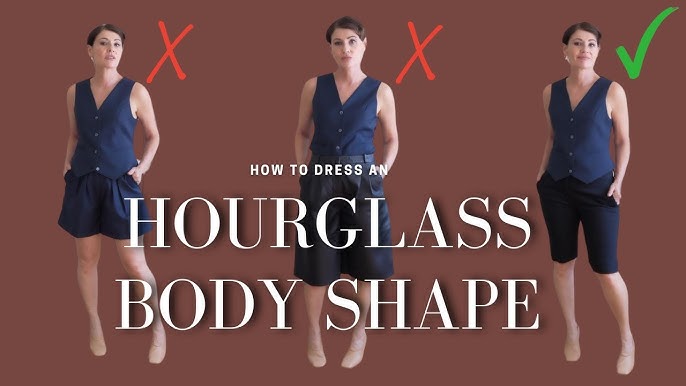
Proper proportions benefit hourglass professionals. Style Objectives: Highlight natural balance
Maintain structure
Avoid excessive detailing
What’s the Best: Dresses made to order Blazers with structure Pants with a high waist Simple silhouettes Things to Avoid: Clothing that is too big a lot of layering Unsettling patterns Elegance is enhanced by simplicity.
Styling for Women with Rectangle Bodies
Shape-creating elements are beneficial to rectangle body types. Style Objectives: Visually create curves Include interest and structure. What’s the Best: Outfits with layers Defined waistlines
Textiles with texture Statement tops
Things to Avoid: Completely shapeless clothing
Excessively straight silhouettes
Little things have a big effect.
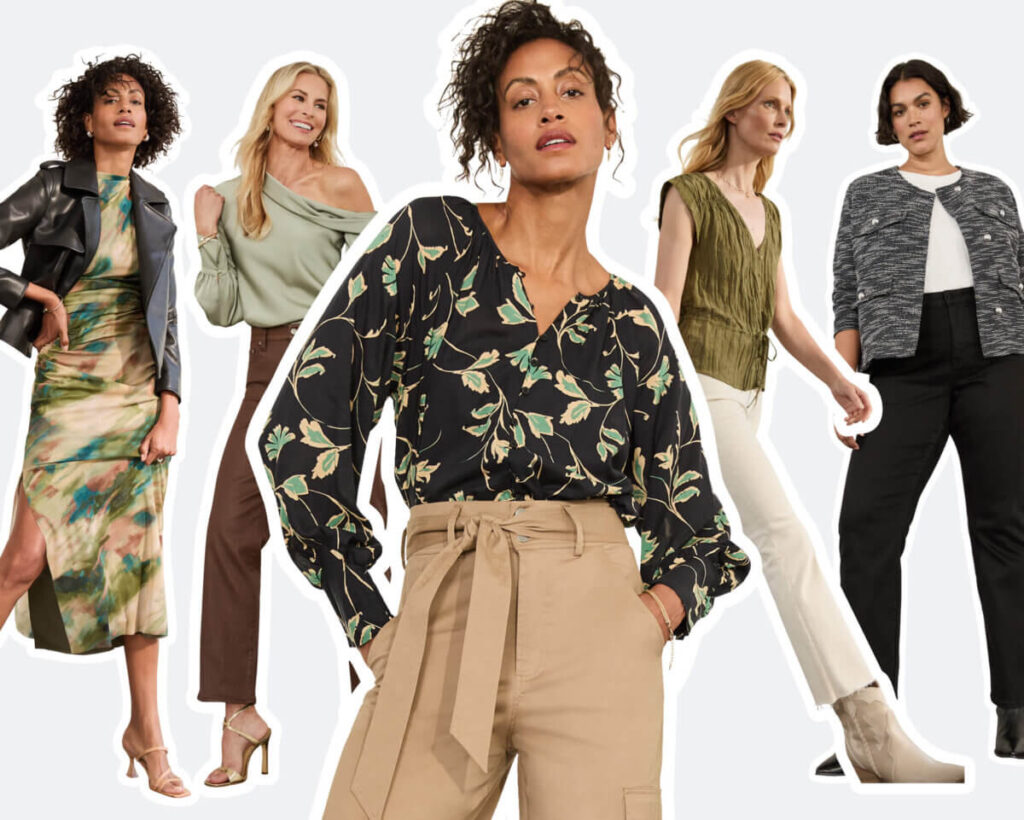
Grooming and Self-Esteem Without grooming, no body type styling is effective. Essentials of Grooming: Well-fitted clothes
Clean, polished footwear
Stylish hairstyle Minimal, professional accessories
Grooming improves all body types.
Why Tailoring Is a Superpower in the Workplace Tailoring brings out the best in everyone. Simple adjustments can: Fix your posture. Enhance self-assurance Make cheap clothes appear more expensive. A reliable tailor should be available to every professional.
Getting Ready for a Long Workday for All Body Types Long hours necessitate professional attire. Universal Comfort Tips:
Breathable fabrics
Extend elements Suitable footwear Layering that is fair Confidence is maintained by ease.
The goal of body type styling is respect, not perfection. Respecting your body is more important than changing it when it comes to professional style. When professionals dress according to their body type:
They stop questioning outfits. They feel more confident
They appear more polished
They perform better
Style becomes less stressful and more supportive.
Conclusion: Work toward your objectives and dress for your body. One of the most useful style tools you can have as a professional is an understanding of your body type. Confidence comes easily when you dress in a way that flatters your proportions, is comfortable for you, and fits your lifestyle. That confidence shows in your work, communication, and presence. We at QuickFitForProfessionals are of the opinion that great style is not about following trends; rather, it is about making fashion fit you.